

In the sunbaked Maasai plains of Ngoswak, where drought makes farming nearly impossible, a vibrant school garden is rewriting the future for 752 students. What began as a simple plot has blossomed into a lifeline—providing daily meals, reducing absenteeism by 40%, and teaching sustainable farming to a generation facing climate challenges.
From Hunger to Harvest
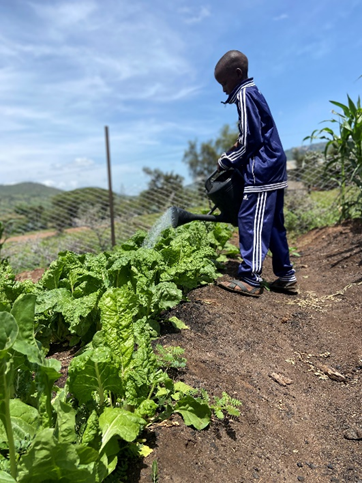
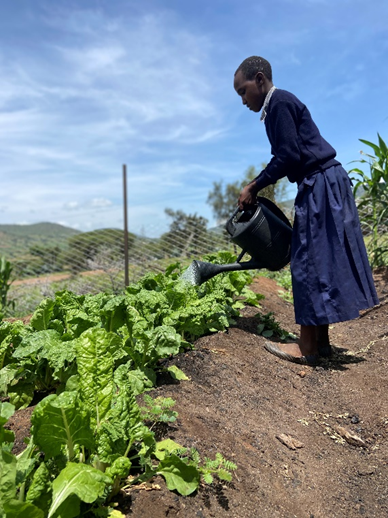
Just two years ago, students at Ngoswak Primary often sat through lessons dizzy with hunger. Many walked long distances on empty stomachs, with some skipping afternoon classes entirely. Today, the hum of chatter fills the garden as students tend to thriving kale, spinach, and carrot plots—part of the Bonga in School program by CORDS and Stromme Foundation.
More Than a Meal
The impact goes beyond nutrition:
- Education Boost: Teachers report sharper focus in afternoon classes
- Skills Training: 120 students have started home gardens, like 12-year-old Maria whose family now grows vegetables
- Community Ripple: Nearby schools are adopting the model after seeing Ngoswak’s success
“Before, we learned on empty stomachs. Now we grow our own solutions.”Maria Mollel, Grade 5
A Replicable Model
With drip irrigation and drought-resistant crops, the garden thrives despite receiving just 400mm of annual rainfall. Its competitive plot system—where students like Maria earn recognition for the healthiest plants—has become a blueprint for food-scarce regions.
What’s Next
The school plans to:
- Expand production to cover 100% of student meals
- Train parents in home gardening
- Share techniques with 5 neighboring schools
This is more than a garden. It’s a seed of change—growing nourished minds, resilient skills, and hope for Tanzania’s arid communities.