How a Milling Machine and Microloans Uprooted Generational Hardship
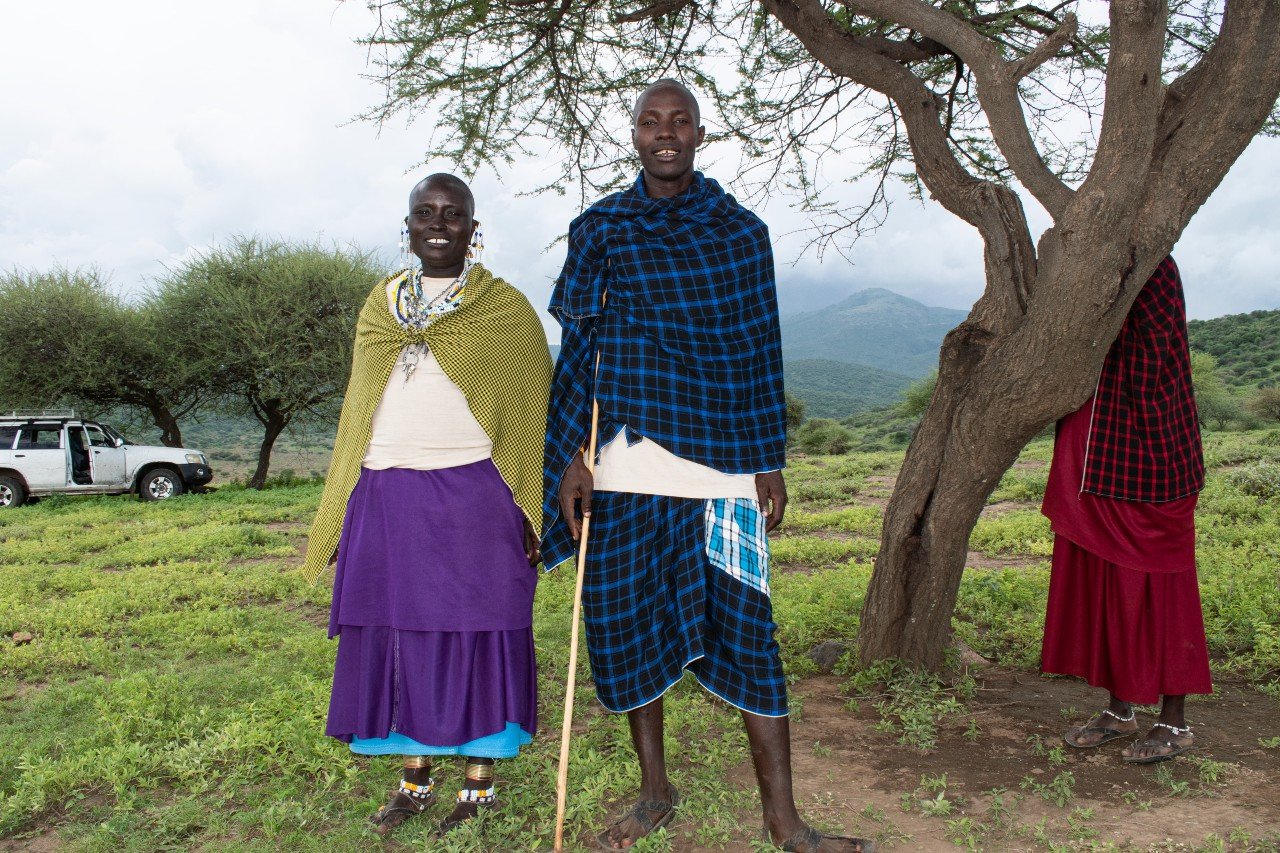
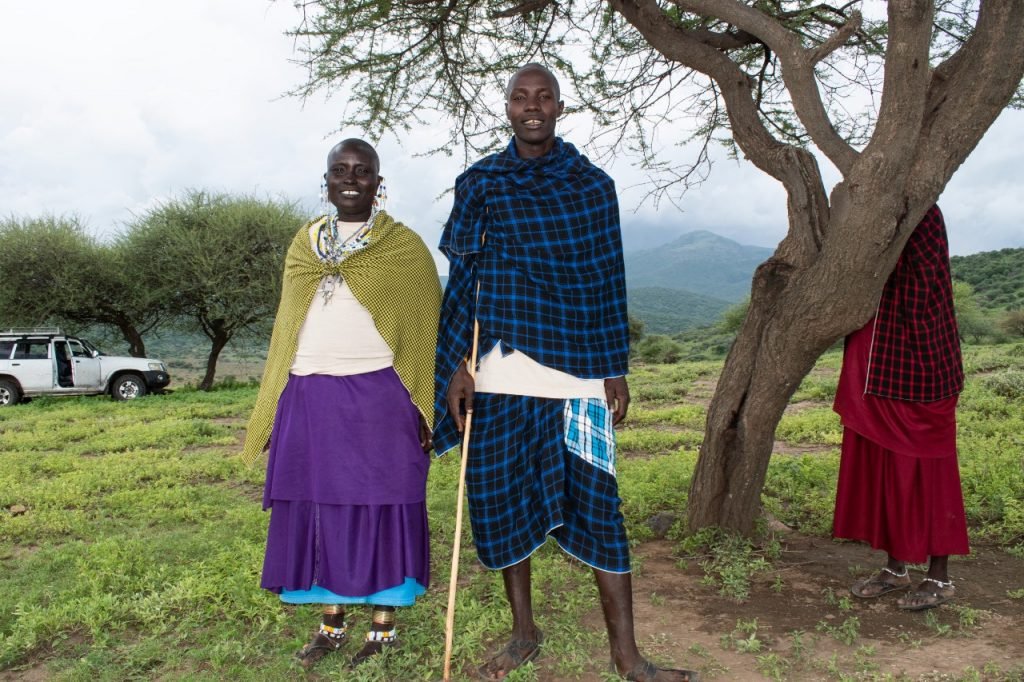
LOROKSOITO, Monduli, Tanzania Musa Shabani used to measure his days in kilometers walked. Eight hours to fetch water. Thirty-five kilometers a full day’s march through dust and bushes to grind maize at the nearest mill in Mairete . For this Maasai herder, his two wives, and their four children, survival was a math problem with no solution: sell precious cattle to buy food, or watch the children go hungry.
“We had to travel to Mairete, which is 70 kilometers away by car. Since we walked through shortcuts, the journey was about 35 kilometers on foot.”
The Breaking Point
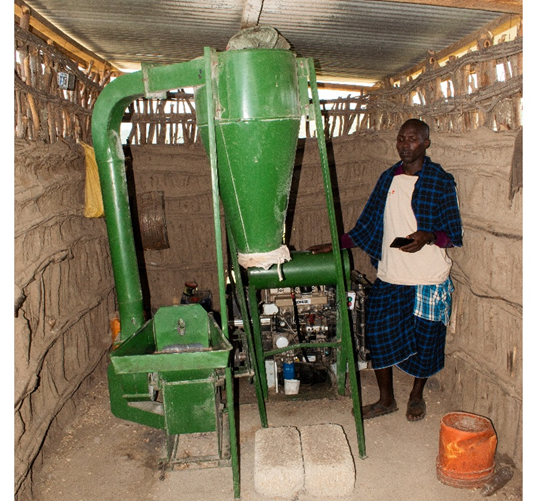
Three years ago, CORDS intervened with two critical tools: a village milling machine and microloans of 200,000 TZS (≈$85) for women. Musa’s wives were among the first recipients.
“The profit has helped us sustain farming,” says Musa. “With the loan, we bought a cow, raised it, sold it, repaid the loan with interest, and kept the remaining profit. Later, we sold another cow and used the money for farming. We grew beans and maize. Thanks to CORDS, I no longer have to sell my cattle to buy maize or beans. Farming is now self-sustaining. I sell part of my harvest to fund the next season while also keeping some for food.”
A Ripple Through Generations
- Food Security: Now we eat from our harvest and sell surplus,” says Musa,
- Education: The increase in Musa’s income has also helped him with the costs of educating his oldest two children who are beginning their schooling in Monduli town.“The school fees are 30,000 TZS since it’s a government school, and I pay an additional 7,000 TZS per year for food,” Musa says. “There are also other expenses like transport.”Says Musa.
- Dignity: No more cattle sales for staples. “Our animals grow as our children do,” he notes.
Yet challenges linger. Clean water still requires those eight-hour treks—a reminder of how much one solution can reveal another need.
The New Equation
Standing beside his wife in the milling shed, Musa sketches their future in the air: “Next season, we’ll plant more acres. Maybe buy goats.” His children cluster close, notebooks in hand a sight unimaginable three years ago.
Without the help of CORDS, it would have been a challenge for Musa to provide for his children’s future just as it remains a challenge for the family to access clean water.
“I truly appreciate CORDS for transforming our community,” Musa says, “and I hope they will continue their work here.”